Category pages on an E-commerce website attract the most visitors, making it essential to prioritize them with an appealing, user-friendly design. This approach ensures that site navigation is both effortless and enjoyable for users.
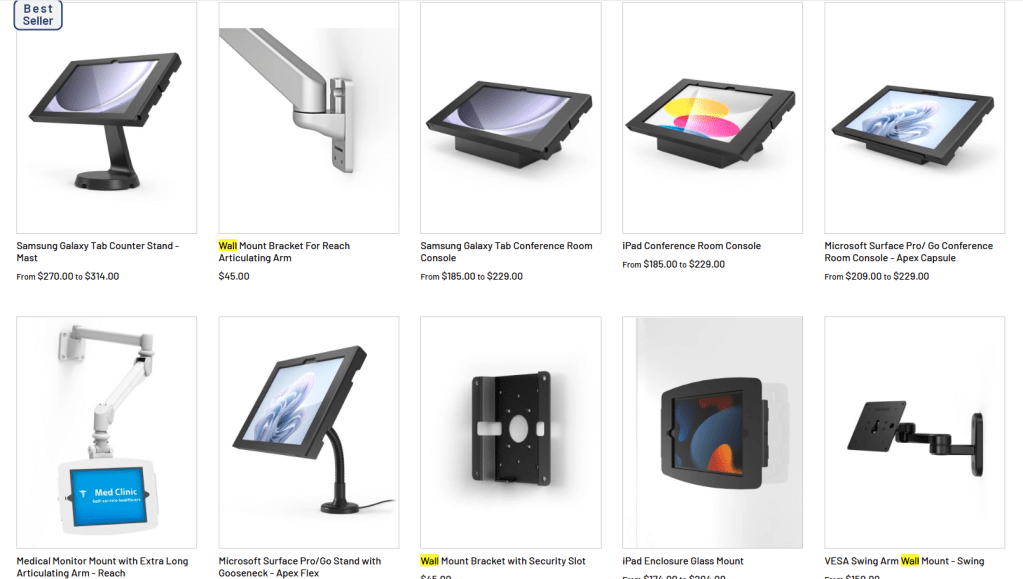
With limited filtering and a high number of items, users were required to scan extensively, leading to overwhelm and decision fatigue.
The redesign consolidated 106 fragmented category pages into 30 structured entry points focused on guided product discovery. While this reduced some long-tail search traffic, it significantly improved the quality of user engagement once visitors arrived on the site.
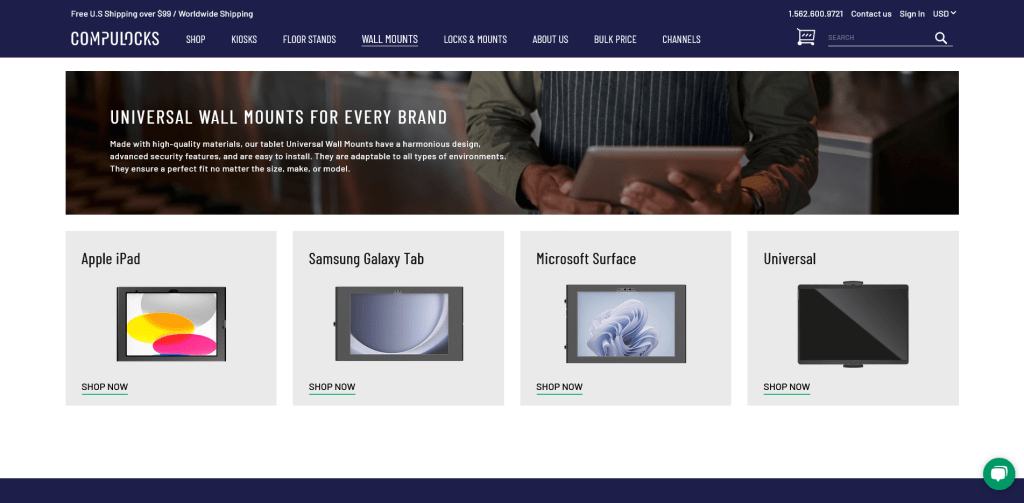
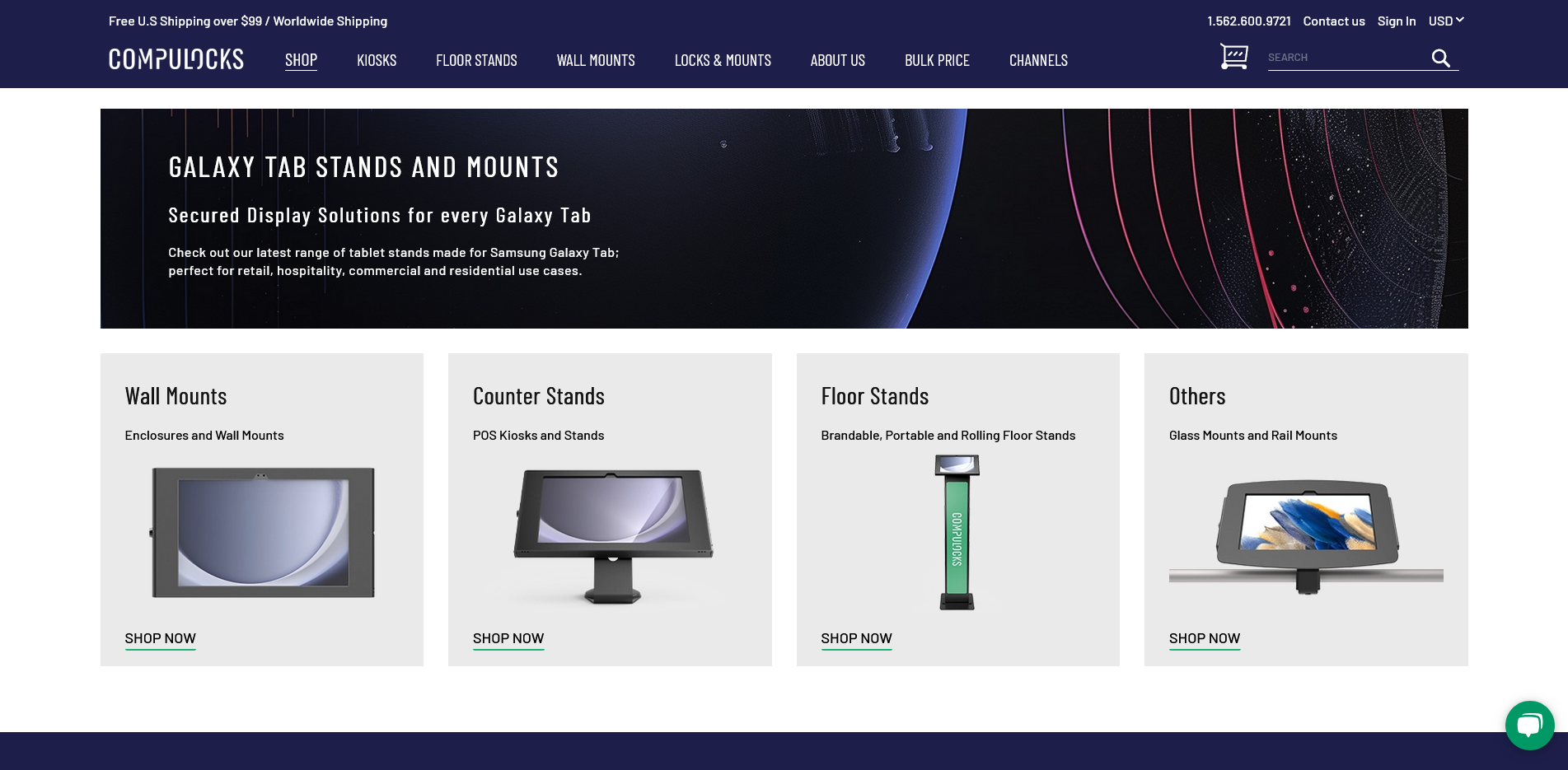
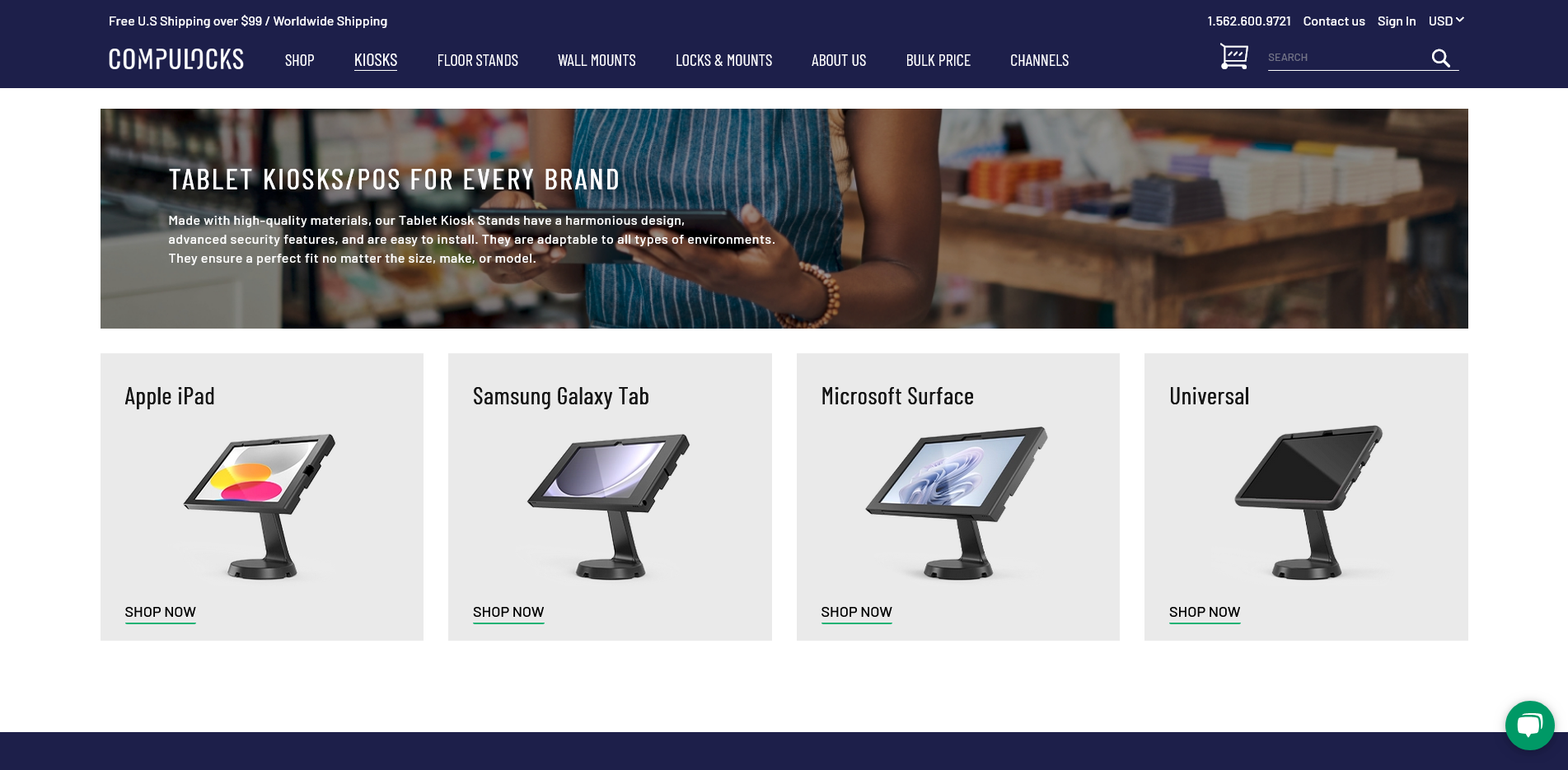
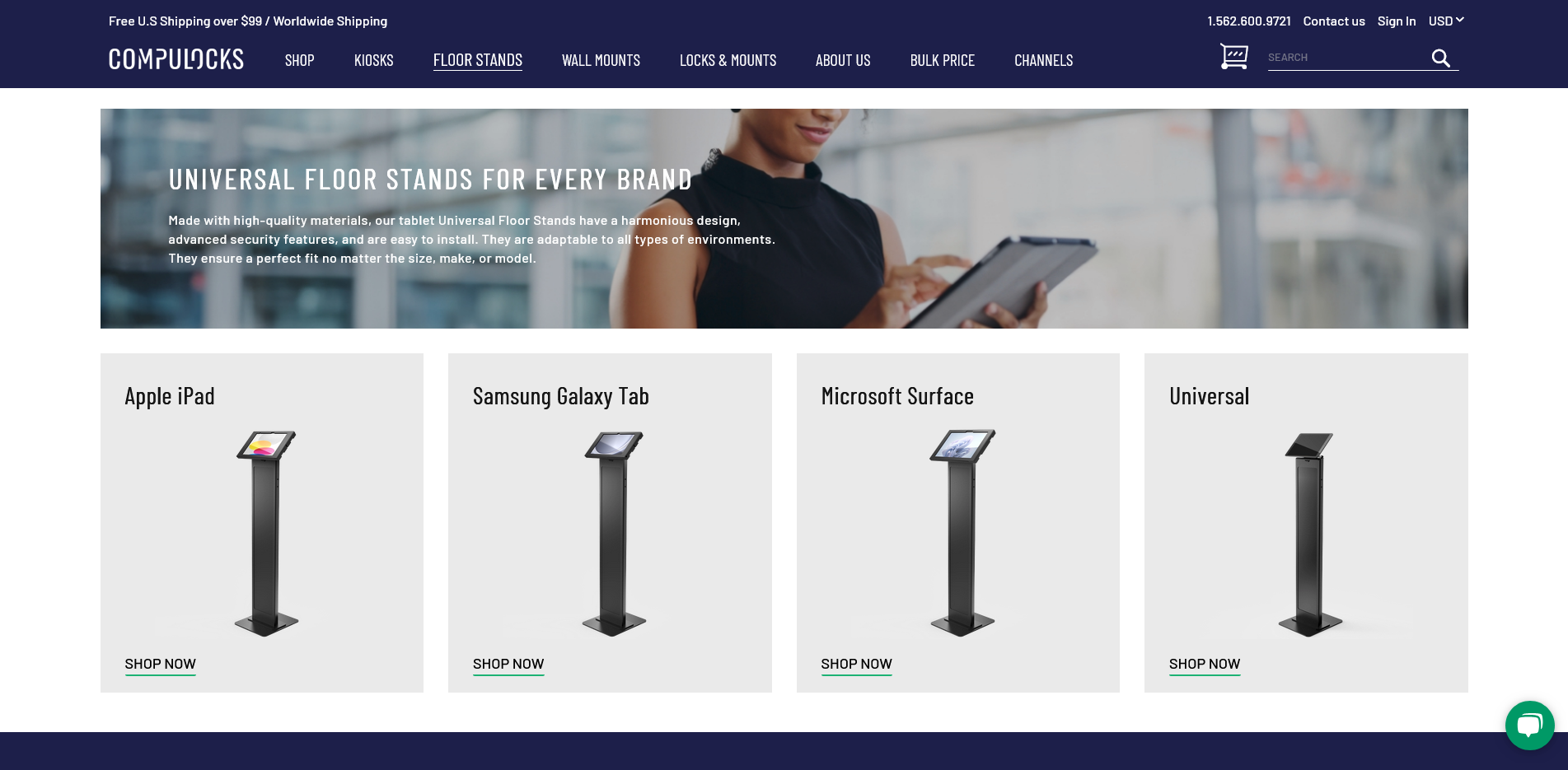
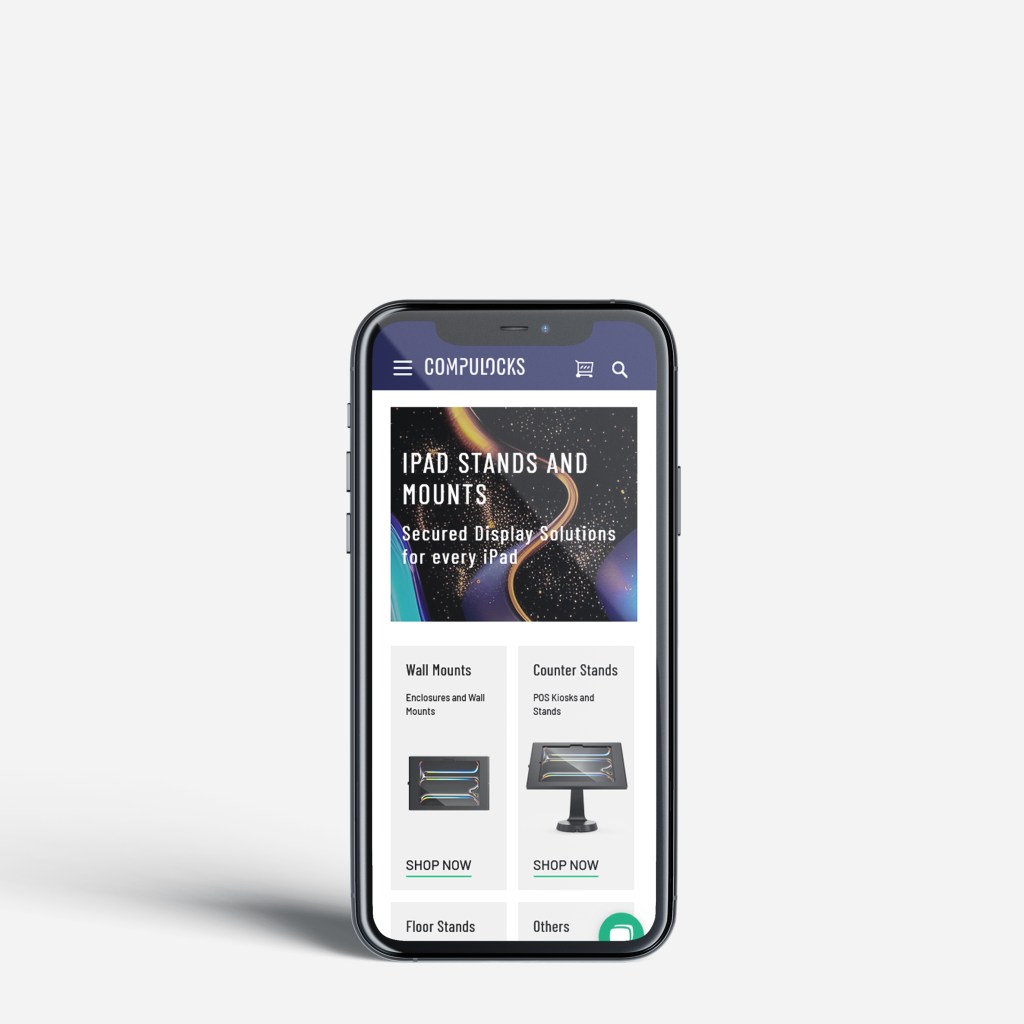
For tablet-based categories (e.g. iPad, Galaxy Tab), users typically chose by mounting type, so I grouped products into three primary options – Wall, Counter, and Floor stands – along with a fourth “Others” category for less common solutions. For mounting-type categories, the logic was reversed, grouping by major tablet brands and a “Universal” option.
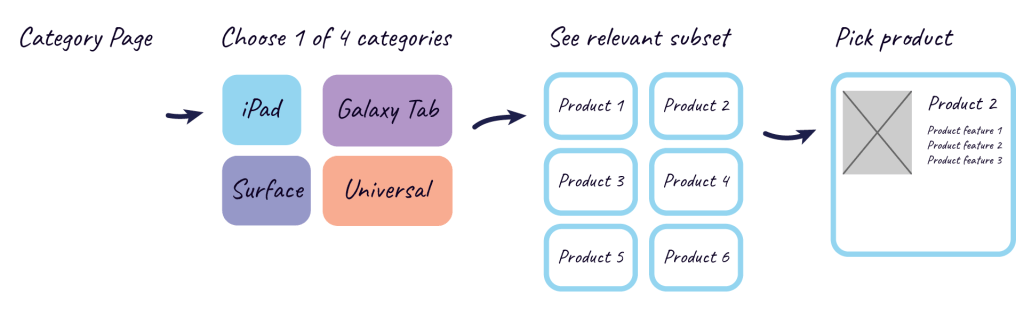
This approach prioritized clarity over completeness. Instead of exposing the full catalog upfront, I guided users toward the most relevant product groups, reducing cognitive load while maintaining coverage through a fallback “Others” category.
Across the redesigned pages, bounce rate improved by 3.8%, while time on page remained stable despite the simplified navigation structure. This suggested users were able to orient themselves and engage with relevant product categories more efficiently rather than scanning through overwhelming product lists.
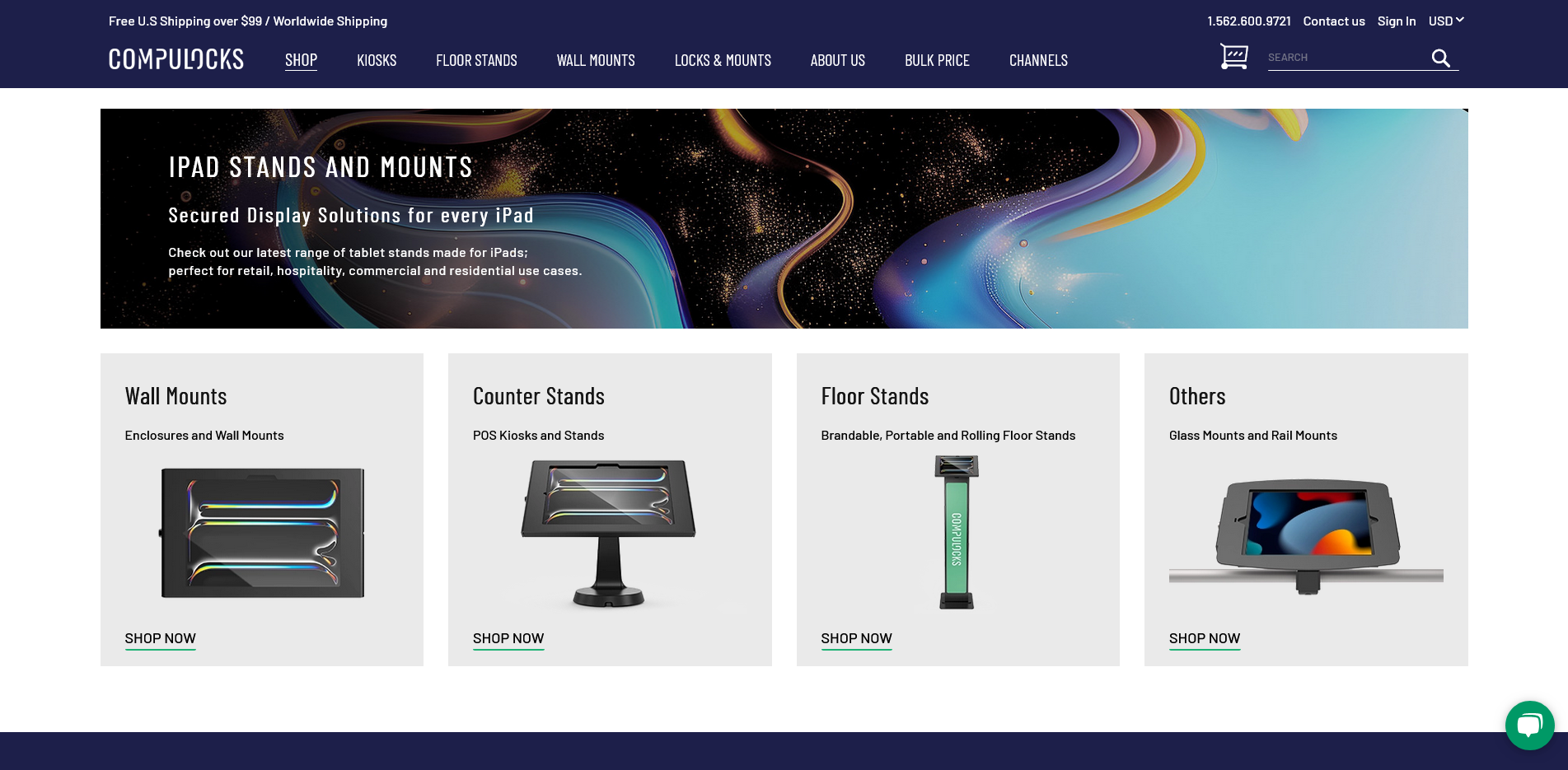


Performance varied across categories, revealing valuable insights into user behavior. Universal Tablet solution pages saw strong growth (+20–34%), indicating that clearer categorization and broader compatibility messaging resonated particularly well with users.
The project also highlighted an important product trade-off: simplifying navigation and reducing cognitive load came at the cost of some long-tail discoverability. However, the improved engagement metrics supported the decision to prioritize clarity and guided exploration over exhaustive catalog exposure.

